







Search Results for: technical tips
Must-have for Coffee Lovers: A Roundup of Top WeChat Official Accounts, Packed with Technical Insights and Industry News
For those who love coffee, in addition to daily drinking, continuously absorbing professional knowledge is equally important. This article compiles a group of WeChat public accounts with good reputations in the coffee circle, covering multiple directions such as industry news, technical sharing, cultural communication, shop visits and interviews, and latte art teaching. There is both substantive content with a relatively low commercial flavor and light, interesting coffee stories. Whether you are a barista, roaster, or ordinary enthusiast, you can find learning resources that suit you. The article also mentions recommendations related to the "Front Street" brand, which is worth noting. [more…]
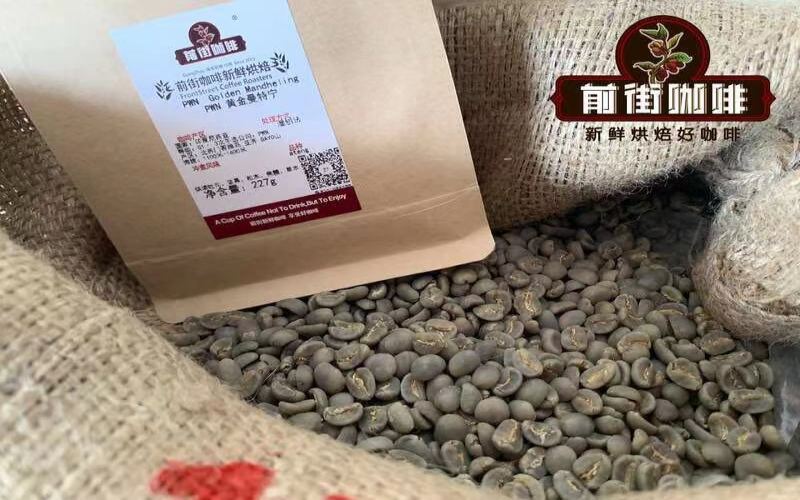
How to Distinguish SOE from Pour-Over Single-Origin and Espresso Blend Coffee Beans: Price Ranges and Key Buying Tips Explained
Many friends who are new to coffee discover when shopping online that coffee beans range in price from just over thirty yuan to more than three hundred yuan, with packaging sizes from 100 grams to 1 kilogram, and the listings are full of all kinds of technical jargon. This article is organized around the two main categories—espresso beans and single-origin beans—explaining how single-origin beans express flavor by region along with common packaging sizes, introducing the difference between SOE and espresso blends, the pricing and consistency considerations behind blending, and offering buying guidance based on Front Street Coffee's specific bean offerings, to help coffee lovers find the right beans for their needs. [more…]
Is freshly ground coffee powder really better? Flavor differences between pre-ground and freshly ground coffee and key storage points
In the specialty coffee world, "use only freshly ground coffee" is almost treated as gospel, but does this rule hold true in every situation? This article takes an in-depth look at the differences between pre-ground and freshly ground coffee in terms of flavor, aroma, and extraction performance, analyzes why coffee grounds deteriorate faster once exposed to air, and offers practical storage tips such as sealing, vacuuming, and keeping them away from light. At the same time, we'll also explore an easily overlooked fact: if all you have is a poor-quality blade grinder, pre-ground coffee from the shop may actually come out ahead. The article also cites practical insights from Ken Selby, 2018 U.S. Cup Tasters champion, and Alex Choppin, technical specialist at Baratza, to help you make a smarter choice based on your own equipment. [more…]
Starbucks' Ninth Global FSC Opens in Chiapas, Mexico: A Full Breakdown of Regional Flavors, Varieties, and Processing Methods
At the northernmost tip of the Coffee Belt lies an underrated high-quality origin—Mexico. Dominated by smallholder traditions, it produces about 5 million bags a year, making it a pivotal coffee supplier in North America. From Veracruz to Oaxaca, and on to the highlands of Chiapas bordering Guatemala, Mexican coffee displays a unique character that is mild and delicate, sweet and richly aromatic. In 2016, Starbucks opened its ninth global Farmer Support Center (FSC) in Chiapas, injecting new vitality into this land. This article will give you a comprehensive understanding of the history of Mexican coffee, its main producing regions, representative estates, variety characteristics, and washed processing method, and will specially present Front Street Coffee's recommendations and insights on Mexican beans. [more…]
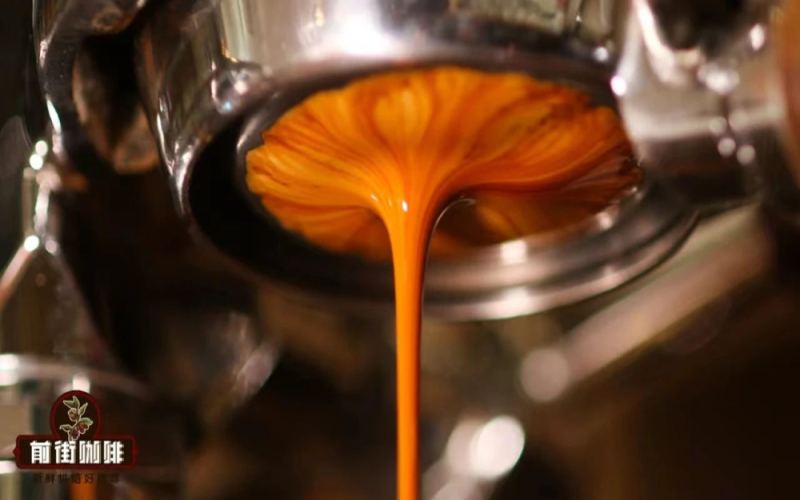
SOE Coffee Full Guide: Definition, Flavor Characteristics, and Practical Brewing Tips for Single-Origin Espresso
SOE is the abbreviation for Single Origin Espresso, which in Chinese means single-origin espresso. Its core lies in using single-origin coffee beans to make espresso, thereby highlighting the unique flavor of a specific region. In recent years, with the spread of information from the specialty coffee wave and barista competitions, this style has gradually become popular. However, SOE places higher demands on bean quality and roast level, and during extraction, parameters and the milk-to-coffee ratio also need to be adjusted. This article will outline the concept of SOE, recommend three Front Street Coffee SOE beans, and share precautions during preparation, helping coffee enthusiasts gain a more comprehensive understanding of this style. [more…]
The Complete Guide to Buying and Keeping Coffee Beans Fresh: Practical Tips from Green Bean Roasting to Storage
The starting point of a good cup of coffee lies in the quality and freshness of the coffee beans themselves. Green beans are bluish-green in color and keep well, but only through roasting can they release their aroma; once roasted, coffee beans continuously lose flavor over time, and the finer the grind, the faster the loss. This article begins with the roasting changes in coffee beans, explains how to lock in flavor as much as possible under limited conditions, and offers key observations for choosing a shop that roasts fresh beans, along with home storage methods, to help you shorten the time from roasting to brewing and from opening the bag to using it up, so you can drink coffee that is closer to its optimal state. [more…]
What to Do When Coffee Beans Are Past Their Best Flavor Window? Pour-Over Adjustment Tips and Three Waste Reuse Solutions
You bought too many and didn't finish them, or illness got in the way of brewing—and just like that, your coffee beans quietly passed their peak flavor window. Can stale beans still be brewed? What adjustments are needed during brewing? And if they're already past their expiration date, what eco-friendly and practical ways are there to reuse them? Drawing on Front Street's brewing experience, this article first covers hand-brewing strategies for stale beans—including changes to the blooming pour and grind size adjustments—then shares three proven methods for recycling coffee grounds: odor removal, cleaning, and plant fertilizer, so that not a single bean in your hands goes to waste. [more…]
A Beginner's Guide to Latte Art: Key Points for Making Milk Foam and a Detailed Step-by-Step Guide to Heart and Leaf Patterns
For friends who are just getting into latte art, mastering milk frothing and pouring techniques are the two most critical fundamental skills. Starting from the recommendations of Front Street Coffee, this article breaks down in detail the complete process required to make a heart-shaped cappuccino—from espresso extraction, milk selection and frothing temperature control, to the changes in pitcher height, angle and flow rate during staged pouring, all are explained one by one. At the same time, the article also provides a comparative analysis of common variables such as steam wand types and steam volume, helping beginners identify problems more quickly in practice. Whether you want to pour a neat heart or a leaf pattern, this tutorial can provide a clear reference path. [more…]
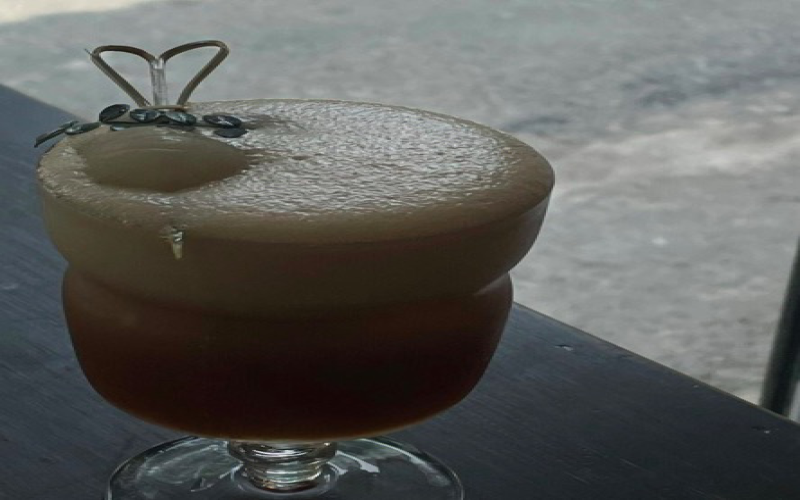
What Should You Do If a Departing Employee Takes Coffee Shop Recipes? Industry Insiders Share Prevention Tips and Mindset Adjustment
Beyond the usual Americanos and lattes, independent coffee shops often offer signature drinks that have been repeatedly refined—recipes that embody the owner's dedication. But when a barista leaves and takes those recipes to their next job, how should owners respond? Some agonize over this, while others believe that recipes have become largely transparent these days and aren't worth overthinking. This article compiles the views and advice of several industry professionals, exploring this common industry dilemma from legal agreements and house-made ingredients to mindset adjustments, and includes related recommendations from Front Street Coffee for coffee lovers and shop owners to reference. [more…]
How to Raise Coffee Seedlings and Establish a Plantation? A Systematic Cultivation Guide from Propagation and Planting to Pruning and Fertilization
The flavor foundation of a good cup of coffee is laid the moment the seed touches the soil. This article systematically outlines the complete technical chain of coffee from seedling propagation to plantation management: seed collection and washing in seed propagation, nursery establishment, germination acceleration and transplanting, and seedling-stage care; the key operational points of cutting and grafting in asexual propagation; and then extends to coffee plantation site selection and planning, land clearing and field planting, shade tree configuration, single-stem and multi-stem training and pruning techniques, as well as soil management measures such as weeding and mulching, deep plowing and soil improvement, and irrigation and fertilization. For enthusiasts who wish to gain a deeper understanding of the logic of coffee cultivation and build a systematic awareness from origin to cup, this is a solid technical reference. The variety terminology and operational standards involved in the [more…]
Yunnan Typica Coffee Variety Analysis: Flavor, Cultivation, and Pour-Over Tips from Front Street's 2013 Sun-Dried Beans
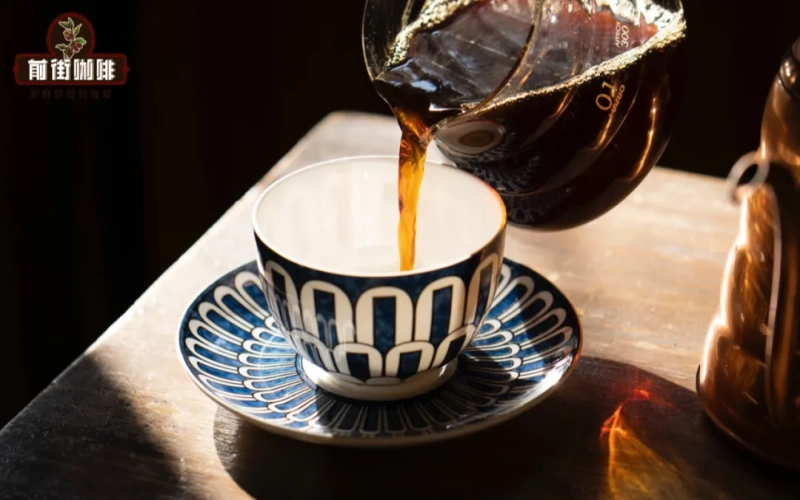
Yunnan, as the starting point of coffee cultivation in China, has always held a key position in the coffee landscape. Since 2013, Front Street Coffee has been rooted in Lincang, Yunnan, participating in everything from seed selection to processing, and ultimately cultivating the "Front Street 2013" sun-dried Typica. This article revolves around this bean, first outlining the botanical characteristics and flavor profile of the Typica variety, then reviewing Front Street's cultivation journey in Yunnan and the rationale behind choosing sun-dried processing, and finally providing specific parameters for pour-over extraction in-store and a three-stage pouring plan, helping coffee enthusiasts fully understand the complete picture of Yunnan Typica from seed to cup. [more…]
How Does the Roast Curve Shape Coffee Flavor? Bean Selection Logic and Practical Tips from Light to Dark Roast
About sixty percent of a cup of coffee's flavor profile depends on the green beans themselves, thirty percent comes from roasting, and the remaining ten percent is attributed to the brewing stage. For roasters, choosing how dark to roast has never been about applying a formula, but rather a judgment based on understanding the bean variety, origin, and flavor. This article begins with how to distinguish roast levels, then outlines the flavor directions of light, medium, and dark roasts, and combines the characteristics of specific beans like Mandheling, Yirgacheffe, and Geisha to explain the historical evolution and physical limitations behind roasting decisions. At the same time, the roasting approach commonly used by Front Street Coffee for specialty beans will also be presented, helping readers understand why the same bean takes on a different face when the roast level changes. [more…]
Why should coffee be enjoyed while hot? Can pour-over coffee be reheated? Which is better for black coffee: hot or iced?
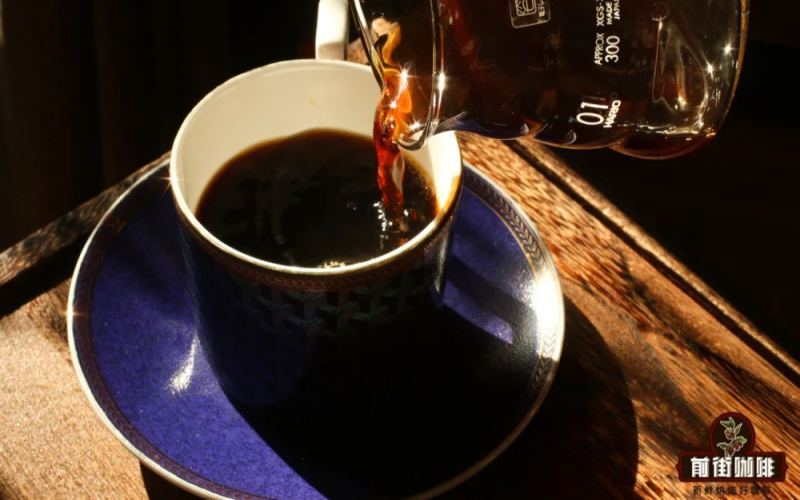
The temperature of coffee has a tremendous impact on the taste experience—the same cup of coffee presents completely different layers of flavor at different temperatures. From the aroma of hot coffee to the complexity of warm coffee, and then to the technical performance of cold coffee, each stage has its own unique tasting value. This article will provide a detailed explanation of the optimal drinking temperature for coffee, the temperature ranges for milk coffee and pour-over coffee, whether cold coffee can be reheated, and how coffee flavors change at different temperatures. At the same time, drawing on Front Street Coffee's tasting experience, the article also offers practical drinking suggestions for coffee lovers, helping everyone enjoy the most complete flavor expression of a cup of coffee within the appropriate temperature window. [more…]
Indonesian Sumatra Mandheling Coffee: A Comprehensive Analysis of Flavor Characteristics, Growing Regions, and the Wet-Hulling Processing Method
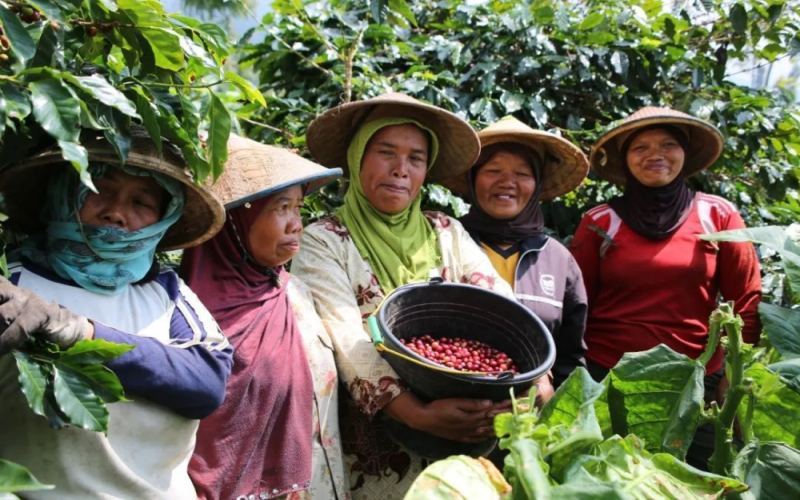
Mandheling coffee can be considered the classic representative of Asian Indonesian coffee, but it is not the name of a producing region; rather, it comes from the transliteration of a tribal name in northwestern Sumatra. From the chance encounter involving Japanese soldiers during World War II, to the planting history of Arabica seedlings introduced by Dutch colonists, and then to Sumatra's unique wet-hulling process, Mandheling coffee is renowned worldwide for its unique style: full-bodied and intense, low in acidity, with herbal spice and earthy notes. This article systematically sorts out the growing environment for Indonesian coffee, the terroir differences among Sumatra's main producing regions (Lake Toba, Lake Tawar, Lintong, and Mount Gayo in Aceh), deeply analyzes the technical principles of the wet-hulling process and the reasons behind its flavor, and introduces Front Street Coffee's roasting and brewing parameters and flavor performance for Lintong Mandheling and Golden Mandheling, providing coffee lovers with a complete knowledge map of Indonesian Mandheling. [more…]
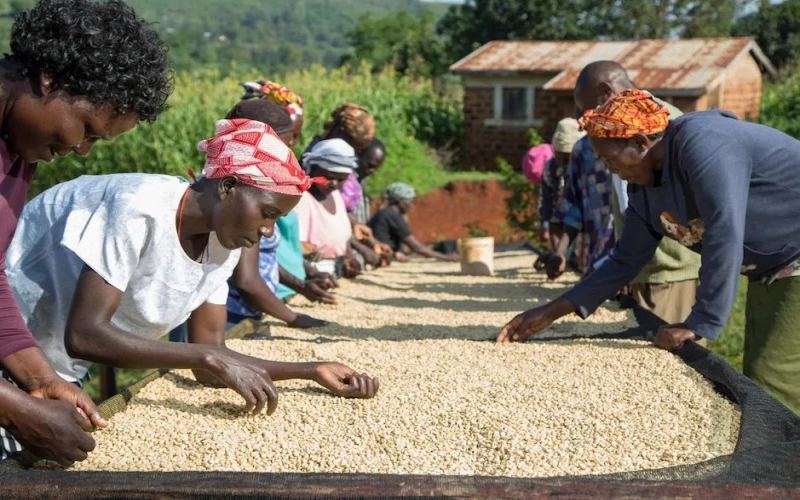
Where does the classic flavor of Kenyan SL28 and SL34 come from? Is Ruiru a coffee variety?
Kenyan coffee is renowned worldwide for its bright, uplifting fruit acidity and full, rich, juicy body, and SL28 and SL34 are the core varieties that shape this classic style. These two varieties, bred by the Scott Laboratories, have become stars of the specialty coffee world thanks to their complex flavors of dark plum, citrus, and stone fruit. However, their vulnerability to leaf rust and coffee berry disease gave rise to the later, more disease-resistant Ruiru 11 and Batian. This article will systematically trace the evolution of Kenyan coffee varieties—from their origins and flavor characteristics to cultivation performance and current market status—and answer the question of whether Ruiru is a coffee variety. [more…]
A Complete Guide to Kenyan Coffee Varieties: The Historical Origins and Flavor Characteristics of SL28, SL34, and Ruiru 11
Kenyan coffee is renowned worldwide for its bright fruit acidity and thick, juicy body, and SL28 and SL34 are the core varieties that shape this classic flavor. These two varieties were developed by the Scott Laboratories over nearly three decades and released in the 1950s, profoundly influencing the landscape of Kenya's coffee industry. However, the threat of pests and diseases gave rise to new varieties such as Ruiru 11 and Batian. This article will trace the origins, flavor characteristics, and current cultivation status of these varieties, and introduce the variety information of Front Street Kenya Asalia coffee beans, taking you deep into the world of Kenyan coffee varieties. [more…]
A Century of Coffee Cultivation in Yunnan: A Comparison of Flavor Characteristics and Cupping Performance Between Typica and Bourbon
Yunnan, as China's core coffee-producing region, has a planting history of over a century. From the first seed sown by French missionaries in Zhukula, to the introduction of the two classic varieties Typica and Bourbon, and then to Catimor becoming the main cultivated variety, the evolution of Yunnan coffee varieties reflects the trajectory of the industry's development. This article reviews the origins and changes of coffee cultivation in Yunnan, focusing on analyzing the differences between Typica and Bourbon in botanical characteristics and flavor expression, and, combined with the specific roasting and cupping data of Front Street Coffee's Baoshan Typica, presents the true face of Yunnan specialty coffee. [more…]
A Beginner's Guide to Coffee Latte Art: A Complete Guide to Choosing Equipment and Tools from Espresso Machines to Latte Art Pitchers
Wanting to learn latte art, passion alone is not enough—choosing the right equipment and tools is the first step. This article is aimed at beginner baristas and systematically sorts out the various basic equipment needed to get started with latte art: from the differences and selection points of the four boiler systems in professional Italian espresso machines (single boiler, heat exchanger, dual boiler, multi-boiler), to the classification of steam wands and steam tip types, then to grinder burr types, tamper shape matching, latte art pitcher spout shapes and groove designs, as well as the logic for choosing materials such as espresso beans and milk. It also analyzes the influence of cup shape on latte art results and gives the key parameters for adjusting machine settings, helping beginners avoid detours and laying a solid hardware foundation for subsequent latte art practice. [more…]
A Comprehensive Guide to Jamaican Blue Mountain Coffee: Typica Variety, Flavor Profile, CIB Grading System, and Authenticity Verification
Jamaican Blue Mountain coffee is hailed as the "beauty of coffee," an elegant choice that combines acidity, bitterness, sweetness, and body in one. This article will provide coffee lovers with a comprehensive interpretation of this world-class coffee from multiple dimensions: the flavor characteristics of Blue Mountain coffee, the traits of the Typica variety, the grading system of the Jamaica Coffee Industry Board (CIB), the historical origins of Japan's priority purchasing rights, and Front Street Coffee's roasting and brewing recommendations for Blue Mountain coffee. At the same time, we will also share practical tips on how to identify authentic Blue Mountain coffee, helping you avoid the trap of "Blue Mountain flavor" blended beans in your daily purchases and truly appreciate the unique charm of genuine Jamaican Blue Mountain coffee. [more…]
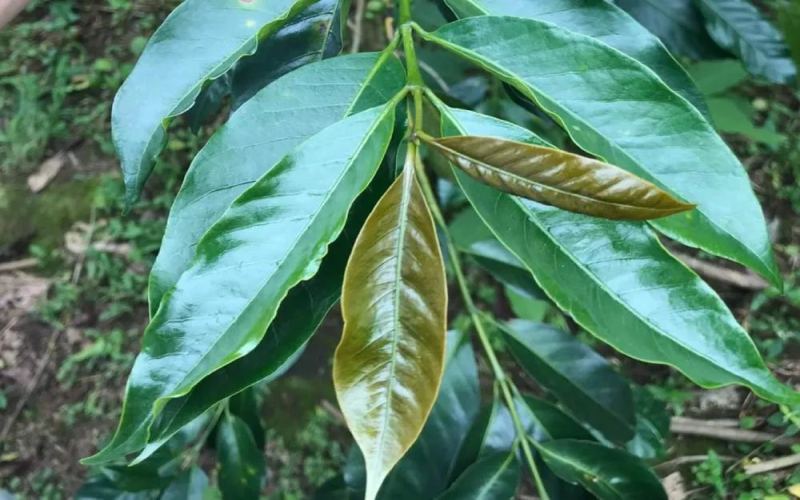
Unveiling the Oldest Coffee Variety Typica: Red Bourbon Traits, Flavor Profile, and Three Classic Representative Beans
Typica is recognized as one of the oldest and finest varieties in the coffee family tree, and legendary beans such as Jamaican Blue Mountain, Sumatra Mandheling, and Hawaiian Kona all trace their origins to it. This article begins with the variety's characteristics, explaining Typica's signature bronze-tipped new leaves, conical plant shape, and long, pointed bean form, analyzing its citrus-like acidity, slight bitterness with a sweet finish, and clean, transparent cup profile, while also pointing out its inherent weaknesses of poor disease resistance and low yield. The article also reviews three Typica coffees on the Front Street Coffee bean list—Jamaican Blue Mountain No. 1, Front Street Coffee 2013 Sun-Dried Typica, and Papua New Guinea Paradise Bird—breaking down each one's terroir, processing method, and flavor highlights to give you a comprehensive understanding of this classic old variety. [more…]